A damaged gangway is not just a maintenance issue—it is a potential risk with far-reaching consequences for both individuals and organizations. While it may appear at first to be an isolated problem, the reality is that a compromised gangway threatens the daily safety and well-being of everyone who relies on it. Whether in a busy industrial facility, a transportation center, or a manufacturing plant, a gangway’s condition reflects a company’s commitment to safety and operational excellence.
It is a personal issue.
When companies delay inspections, the conversation usually starts with cost. How much does an inspection cost? How much does a repair cost? Can it wait until next quarter? These are valid concerns, especially when budgets are tight, and competing priorities demand attention. According to MJ Nester, OSHA-certified gangway inspections are available to help protect personnel and operations, but pricing depends on the complexity of the equipment and the facility’s needs. Factors such as travel distance, need for special access, and urgency can also affect the final cost. While these numbers provide a general idea for planning, it is important to tailor the expectation to each facility’s unique setup. However, focusing solely on immediate expenses can obscure the larger, more significant risks that result from neglecting routine maintenance and inspections.
Those are fair questions. But they are not the first questions that matter.
The first question is much simpler:
What happens if someone gets hurt?
Gangways are used every day by operators, drivers, maintenance crews, and plant personnel. They are stepped on, pulled, pushed, loaded, exposed to weather, chemicals, vibration, impact, and constant movement. Over time, even a well-built gangway can wear down. According to an OSHA inspection report, ongoing exposure to certain stressors can weaken a gangway over time, leading to structural problems that may not be detected until they pose a significant hazard. The report highlights that such issues often develop gradually, increasing the risk of unnoticed defects.
A loose connection.
A weakened spring.
A worn tread.
A cracked weld.
A corroded hinge.
A section that no longer sits level.
A counterbalance that does not perform the way it should.
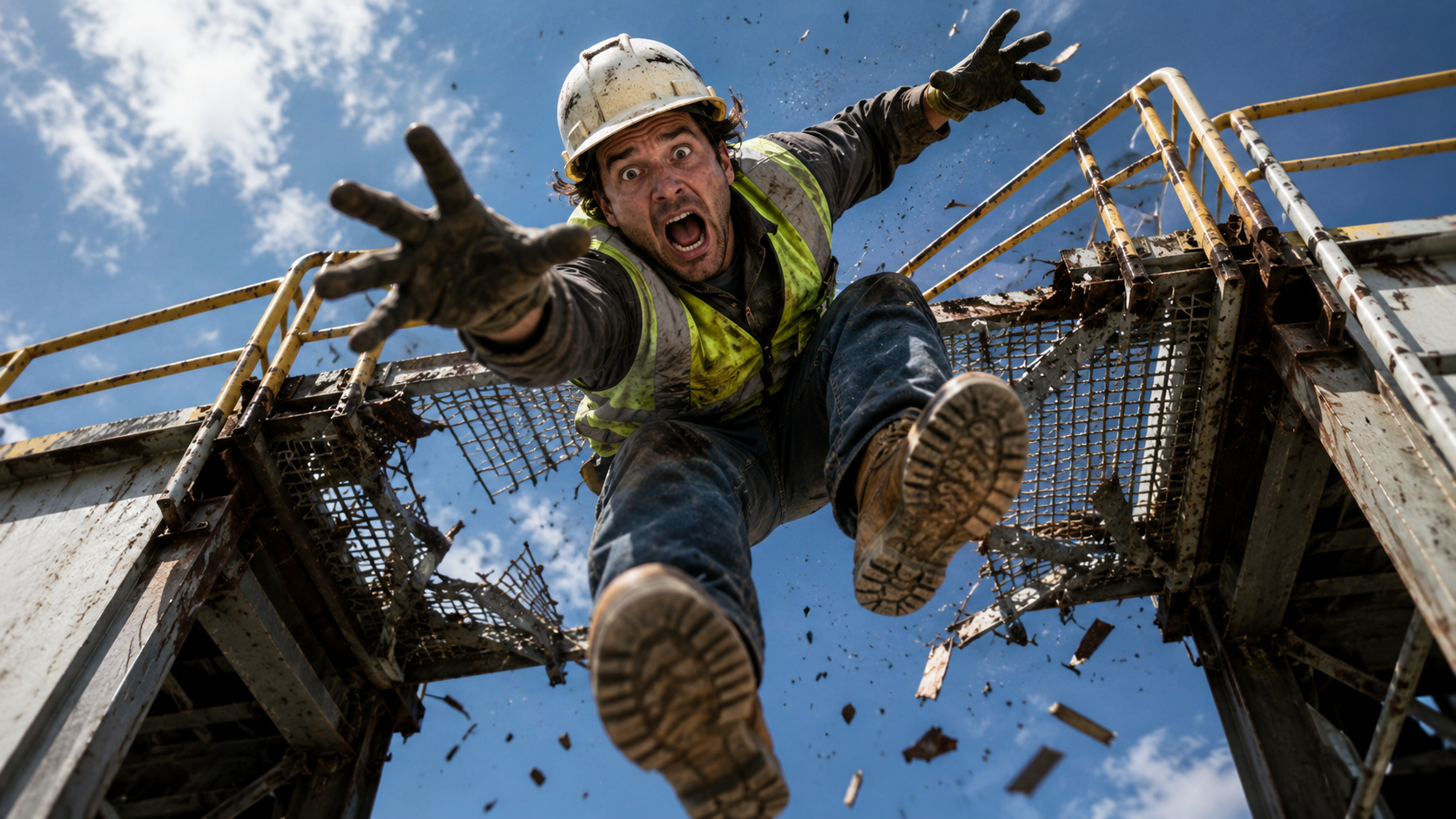
None of these may look dramatic at first. That is what makes them dangerous. A gangway does not need to collapse completely to cause a serious injury. One unstable step, one unexpected shift, or one slippery surface can be enough to change someone’s life in an instant. The aftermath of such incidents can be devastating—not only for the injured individual but also for their colleagues and the organization as a whole.
And when someone falls, the cost stops being theoretical.
There may be emergency care. Lost time. Workers’ compensation claims. Internal investigations. OSHA involvement. Legal exposure. Damaged morale. Interrupted operations. A team that now has to work around the memory of an incident that could have been prevented. The ripple effects often extend far beyond the immediate aftermath, affecting productivity, trust, and the organization’s reputation for years to come.
That last part matters.
Because after an injury, everyone starts asking the same questions.
When was the gangway last inspected?
Was the issue documented?
Did anyone know about the problem?
Was maintenance delayed?
Were employees expected to keep using equipment that should have been taken out of service?
Those are not questions any company wants to answer after the fact.
Routine gangway inspections help identify hazards before they become incidents. A qualified inspection typically covers several key steps, including visual checks for wear, corrosion, misalignment, damaged components, and unsafe operating conditions that may not be obvious during daily use. The inspection process often involves examining welds and hinges, checking tread surfaces for slipping hazards, inspecting handrails and counterbalances, and testing the overall stability and alignment of the gangway. Some inspections may also include operational or load testing to ensure the gangway performs safely under typical working conditions. Inspections also provide an opportunity for continuous improvement, as they allow companies to implement corrective actions, update safety protocols, and ensure compliance with regulatory requirements. This proactive approach not only reduces risk but also demonstrates a genuine commitment to employee safety.
The goal is not just to protect the equipment.
The goal is to protect the people using it.
A safe gangway gives workers stable access, predictable movement, and confidence that the system they rely on is doing its job. That confidence matters in busy industrial environments where employees already have enough risks to manage. When workers know that their equipment is regularly inspected and maintained, they can focus more fully on their work, leading to greater efficiency, fewer accidents, and a stronger culture of safety throughout the organization.
Ignoring inspection does the opposite.
It puts the burden on workers to notice problems, adapt to unsafe conditions, or hope the equipment holds up one more day. That is not a safety program. That is a gamble dressed up as routine operations, and it sends the wrong message to employees about the organization’s priorities. Instead of fostering vigilance and accountability, it can breed complacency and unnecessary risk.
And eventually, gambles collect.
The most expensive inspection is the one scheduled after someone gets hurt.
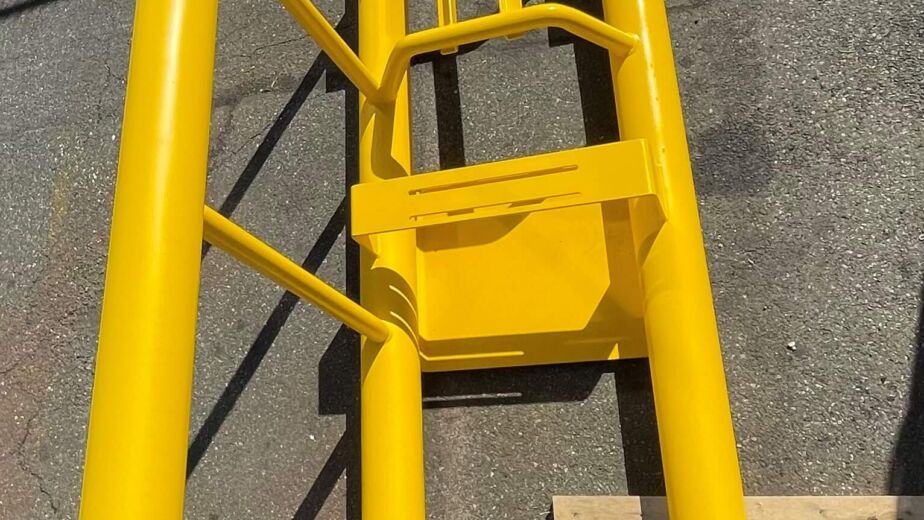
At MJ Nester, we inspect gangways, loading platforms, safety cages, and access systems to help facilities find issues before they become injuries. Our team understands what to look for, what can be repaired, and when equipment needs to be replaced. According to OSHA, when a safety issue is identified during an inspection, employers are required to respond in writing within 5 working days, detailing the problem and outlining the actions taken or planned to correct it, and ensuring continued support throughout the process. We take pride in delivering thorough, reliable inspections that empower our clients to make informed decisions about their equipment and the safety of their employees. By partnering with us, you invest in the long-term health and productivity of your operation.
If your gangway has not been inspected recently, do not wait for an incident to reveal the problem. Prioritize regular inspections and proactive maintenance to safeguard your people and your business. Taking action now can prevent accidents, reduce liability, and create a safer work environment for everyone involved.
Protect your people. Protect your operation. Schedule a gangway inspection with MJ Nester.